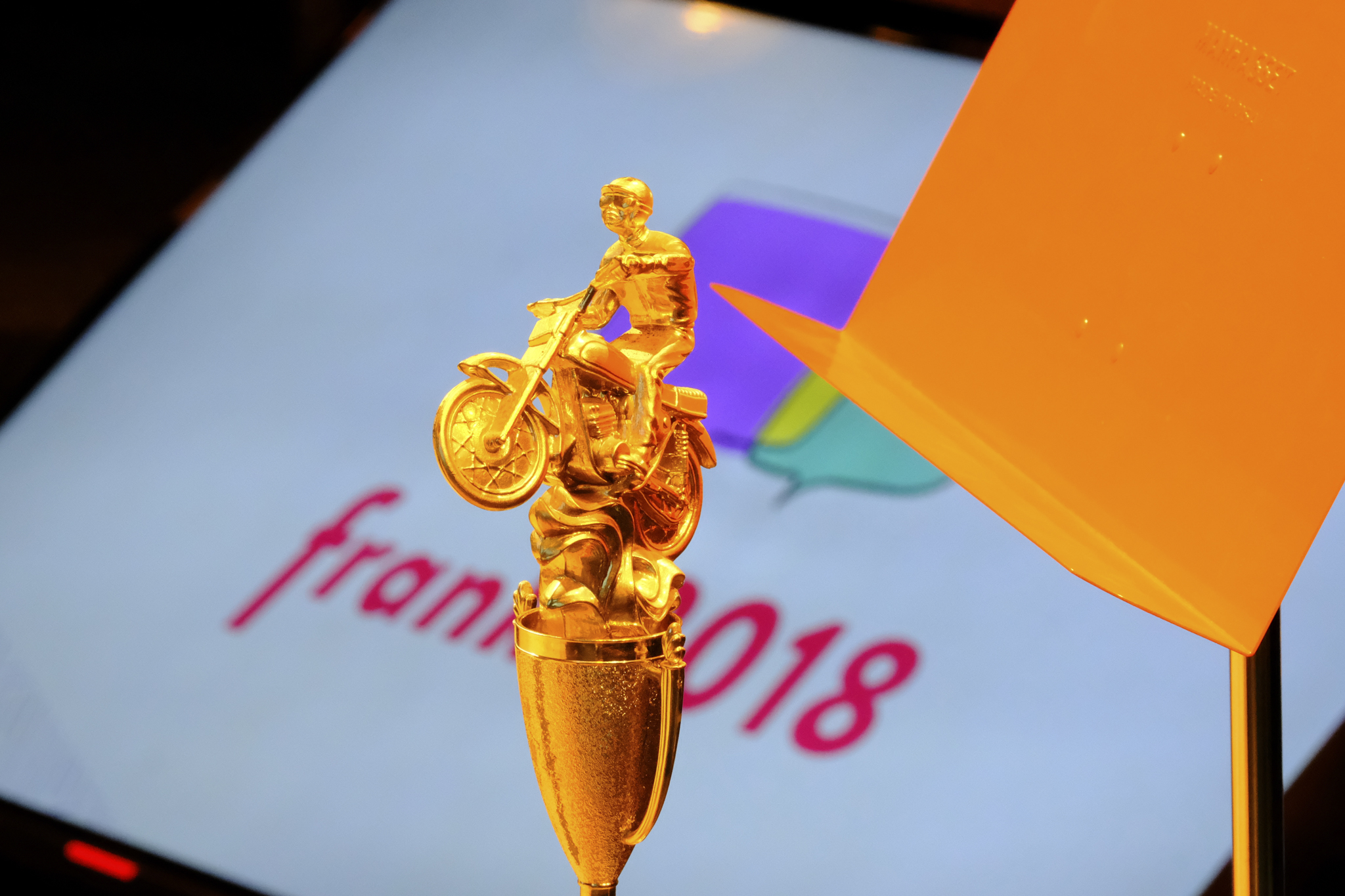
 Chelsea Schein is the 2018 Research Prize in Public Interest Communications winner. We spoke with her about her experience presenting and participating at the frank gathering in 2018. Schein is currently a post-doctoral fellow and lecturer in the Department of Legal Studies and Business Ethics at Wharton. Her focus is in Social Psychology, where she explores the science behind morality. Her paper, “The Unifying Moral Dyad: Liberals and Conservatives Share the Same Harm-Based Moral Template,” won the 2018 Prize for Research in Public Interest Communications, sponsored by the Joy McCann Foundation. Co-authored with Kurt Gray, associate professor at the University of North Carolina, Chapel Hill, the study suggests that both liberals and conservatives make judgements based on perceptions of harm.
What was it like attending frank and frank scholar?
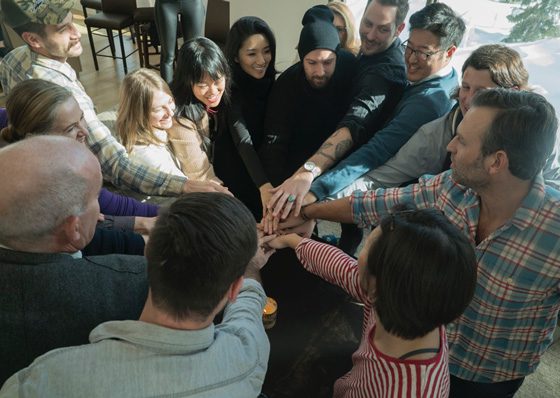
It was really exciting! frank is totally unlike any other academic conference. In addition to talks from a wide variety of experts, there was recess, musical interludes, and even paper airplanes. Where else can you learn from experts while playing tag?!
Tell us about the moments you were able to connect with people.
The attendees at frank are incredible. Many of the practitioners I met, whether journalists or non-profit leaders, were genuinely interested in using science to strengthen their work. It was great getting an opportunity to listen to people’s experiences, and to learn of the practical challenges facing practitioners. I was flattered to offer whatever research I could to help them more effectively reach their audiences.
What was it like presenting at frank?
Presenting at Frank was an incredible learning opportunity. It’s one thing to give a technical powerpoint talk to a handful of scientists studying my specific research area. frank required me to shift how I think about presenting. How can I present a data-informed story without powerpoint to an audience of well-educated non-scientists eager for knowledge? How can I make my research both exciting and approachable to an entirely new audience?
How did it feel to win the $10,000 prize?
It was surreal! In this environment for scientific funding, 10 thousand dollars is a tremendous help for an early career researcher. Most immediately, winning the prize likely helped me land a post-doc! After winning, I emailed potential employers, letting them know that I could come with my own research funding. I am currently a post-doc in the Department of Legal Studies and Business Ethics at Wharton, and this money means that I can follow the research lines I am most interested in, without worry of immediately procuring grant money. It’s a huge help.
What is the relationship between your research and public interest communications?
The United States is currently divided along party lines. We are at a point where many of us will even turn down money to avoid listening to political opponents. If we want our messages to reach a broad audience of people, including those who might hold opposing political views, we need to learn how we can bridge political divides. Instead of demonizing opponents, how can we better understand their perspective, and reach them where they are?
Can you tell us about your favorite moments from frank 2017?
My favorite moments involve chatting with the other speakers, including the other researchers. The two other finalists are both outstanding scholars and women and I really appreciated getting a chance to learn both from their research, and their experiences navigating academia.
Why should researchers apply for the prize?
Just apply! Don’t overthink it. The application is short and the benefits are huge. A lot of social science research is relevant to public interest communication, so challenge yourself to find these connections.
There are so many reasons to apply. Even the submission itself helps researchers think more broadly about the applications of their work to a general audience. Plus, if you are a finalist, frank provides a unique opportunity to work with mentors who are experts in communication, to hone your message and get your research out to a larger audience. And — there’s recess! All researchers need more fun.
Submissions close December 1, 2018 at 5 PM EST
Check out Schein’s talk at frank 2018.
For more information about the 2019 Prize, click here.
Ready to submit your research? Click here.
Finalists will be announced before the end of the year.
Questions about the prize should be directed to Annie Neimand, Director of Research, Center for Public Interest Communications.